
You’ve verified the same client three times this year. Different documents. Different addresses. Same mounting frustration about wasted hours.
Welcome to the compliance treadmill.
Manual KYC checks are consuming resources your firm doesn’t have. Regulators are demanding real-time monitoring. And your current system can’t keep pace with either of them.
The KYC trends shaping 2026 aren’t just about technology. They’re about survival in an increasingly complex regulatory landscape.
Key Trends at a Glance
The compliance landscape is evolving faster than most firms can keep pace with. Here’s what’s reshaping KYC in 2026:
- AI-powered verification is replacing hours of manual document review with instant automated checks that catch inconsistencies human eyes miss
- Biometric authentication is becoming the primary verification method, moving beyond traditional document checks to facial recognition and liveness detection
- Real-time monitoring is replacing annual reviews as regulators demand continuous client risk assessment rather than periodic snapshots
- Decentralised identity frameworks are shifting from blockchain experiments to regulatory acceptance, giving clients control over their verified credentials
- Predictive analytics are enabling risk-based approaches that replace one-size-fits-all procedures with intelligent, targeted due diligence
AI-Powered Identity Verification Goes Mainstream

Artificial intelligence is no longer experimental in KYC processes. Machine learning algorithms can now analyse thousands of data points across multiple databases in seconds. What took compliance officers days now happens before your client finishes their coffee.
These systems use optical character recognition (OCR) to extract data from identity documents automatically. OCR technology reads text from images and converts it into a machine-readable format, eliminating manual data entry errors that plagued traditional processes.
The real power comes from pattern recognition capabilities:
- Spot forged or tampered documents
- Flag inconsistencies that humans may miss
- Cross-check client data against sanctions lists, PEP databases, and adverse media
- Process information from multiple sources at once
Natural language processing takes this further by scanning news articles and legal records in multiple languages to highlight any red flags. The more these systems run, the more accurate they become.
For accounting firms, this means faster onboarding without sacrificing due diligence. Routine checks run instantly, while compliance teams focus on the tricky cases that still need human judgment. This is one of the most influential KYC trends shaping how firms work in 2026.
Did You Know?
Modern OCR systems can process thousands of identity documents per hour, converting images into machine-readable data with high accuracy.
Real-Time Continuous Monitoring Replaces Periodic Reviews

The annual KYC review is quickly becoming outdated. Regulators now expect continuous monitoring because a client’s risk profile can shift overnight.
Modern systems track clients against watchlists and PEP databases in real time. If a new sanction, update, or adverse media story appears, compliance teams receive immediate alerts. This surveillance runs 24/7 without manual effort.
Continuous monitoring now relies on event-driven triggers, such as:
- Sudden large or unusual transactions
- Changes in business structure
- Shifts in beneficial ownership
- Behaviour patterns that fall outside a client’s normal activity
Dynamic risk scoring updates a client’s risk rating automatically as new information surfaces. Someone low risk today can become high risk tomorrow due to regulatory changes or business developments.
This approach closes the gap between annual reviews and shows regulators that ongoing due diligence is taken seriously. Among today’s KYC trends, continuous monitoring is the biggest operational shift for most firms.
How does your firm detect unusual transactions instantly?
Learn the strategies behind real-time AML monitoring. Check out the full post: AML Transaction Monitoring (Complete Guide) | FigsFlow
Decentralised Identity Solutions Gain Regulatory Acceptance

Blockchain-based identity verification is shifting from theory to real use. Decentralised identity systems let individuals control their own verified credentials without relying on central databases. This tackles privacy concerns while keeping verification standards high.
These systems rely on distributed ledgers that store encrypted credentials across multiple participants, with no single administrator. Because every participant holds an identical copy, the data becomes highly secure and resistant to tampering.
Clients use a digital identity wallet that holds verified credentials from trusted issuers. When onboarding with your firm, they share only the bits of information needed, rather than sending full documents each time. Everything is cryptographically secured and instantly verifiable.
Key advantages include:
- Clients own and control their data
- Credentials can be reused across different service providers
- Verification remains secure, transparent, and tamper-proof
- Regulators are now recognising digital credentials as valid documentation
Self-sovereign identity frameworks are gaining traction, with initiatives like the EU Digital Identity Wallet driving regulatory acceptance.
For accounting firms, this means faster onboarding, fewer repeat checks, and smoother client journeys. It’s one of the most innovative KYC trends emerging for 2026.
Fun Fact
The EU Digital Identity Wallet framework requires member states to provide secure, user-controlled digital ID wallets. These digital credentials are recognised across all EU countries, making cross-border verification faster and more reliable.
Biometric Authentication Becomes Standard Practice

Fingerprints, facial recognition, and voice patterns are quickly replacing passwords. Biometrics verify identity using physical traits that are far harder to forge or steal.
Liveness detection now ensures the person being verified is physically present. These tools detect micro movements, skin texture, and other cues that photos or deepfakes cannot replicate.
Multimodal systems strengthen this further by combining methods. For example, a client may use facial recognition with voice verification, supported by fingerprint checks when needed. The technology also adapts naturally to changes such as aging or minor injuries.
Key advantages include:
- Stronger protection against impersonation
- Fewer verification steps for clients
- Instant authentication across devices
Behavioural biometrics add another layer by analysing how a person interacts with their device. This includes typing rhythm, mouse movement, and the way they hold their phone. These patterns are unique to each individual and very difficult for fraudsters to copy.
Privacy remains the main challenge. Regulators require explicit consent, careful data storage, and clear communication about how biometric information is handled. Firms must balance security benefits with privacy obligations, which makes biometrics one of the more complex KYC trends to implement properly.
Want to Know More?
Biometric authentication strengthens KYC, but how does it differ from AML?
KYC focuses on verifying your client’s identity, while AML ensures transactions and behaviour are monitored to prevent financial crime.
Learn more about the key differences here: Difference Between KYC & AML: What You Need to Know | FigsFlow
Enhanced Due Diligence for Crypto & Digital Assets

Cryptocurrency has pushed regulators to create new verification rules. Traditional KYC does not fit well with decentralised platforms and blockchain activity, so firms now rely on more specialised checks.
Blockchain analytics tools trace movements across wallets and exchanges. They highlight patterns that may indicate laundering, terrorist financing, or other suspicious activity.
A few key areas now require deeper scrutiny:
- Source of funds and whether the crypto originated from a legitimate activity
- How many blockchain steps were involved before the funds reached the client
- Connections between different wallet addresses that may signal hidden risks
The Travel Rule adds another layer by requiring beneficiary information for crypto transfers above set thresholds. It mirrors traditional banking requirements but remains difficult to implement because of the decentralised nature of digital assets.
Regulators are releasing clearer guidance, including recommendations from the Financial Action Task Force. Firms supporting crypto clients need enhanced due diligence procedures that reflect the unique risks in this developing sector.
Did You Know?
Customer Due Diligence (CDD) is the standard process for verifying clients, while Enhanced Due Diligence (EDD) is applied to higher-risk clients or complex transactions like crypto.
Learn how they differ and why EDD matters here: CDD & EDD: Compliance Secrets Every Bookkeeper Must Know
Risk-Based Approaches Driven by Advanced Analytics

The one-size-fits-all model for KYC is disappearing. Regulators now expect firms to focus their resources where the actual risk lies, and advanced analytics makes this possible at scale.
Predictive modelling uses historical data to forecast which clients may pose higher compliance risks. Machine learning identifies patterns linked to suspicious behaviour and becomes more accurate as more data flows through the system.
Network analysis uncovers relationships between clients, transactions, and third parties. It helps compliance teams see hidden links that could suggest coordinated fraud or laundering activity.
Key analytical tools now shaping risk scoring include:
- Predictive models that highlight high-risk profiles
- Network mapping that exposes unusual connections
- Geopolitical insights that adjust risk in real time based on global events
Geopolitical scoring is especially important. Political instability, sanctions, or regulatory shifts in a client’s jurisdiction can automatically raise or lower their risk rating.
With quantified risk scores, firms can justify different levels of due diligence. Low-risk clients move through faster onboarding, while high-risk clients receive deeper scrutiny. This creates efficiency without reducing compliance quality and remains one of the smartest KYC trends for managing resources effectively.
See how risk-based KYC allows quick verification for low-risk clients and deeper checks for high-risk ones.
Explore the guide: Complete KYC in Minutes! | Complete Guide For Accountants | FigsFlow
Cross-Border Data Sharing Frameworks Mature
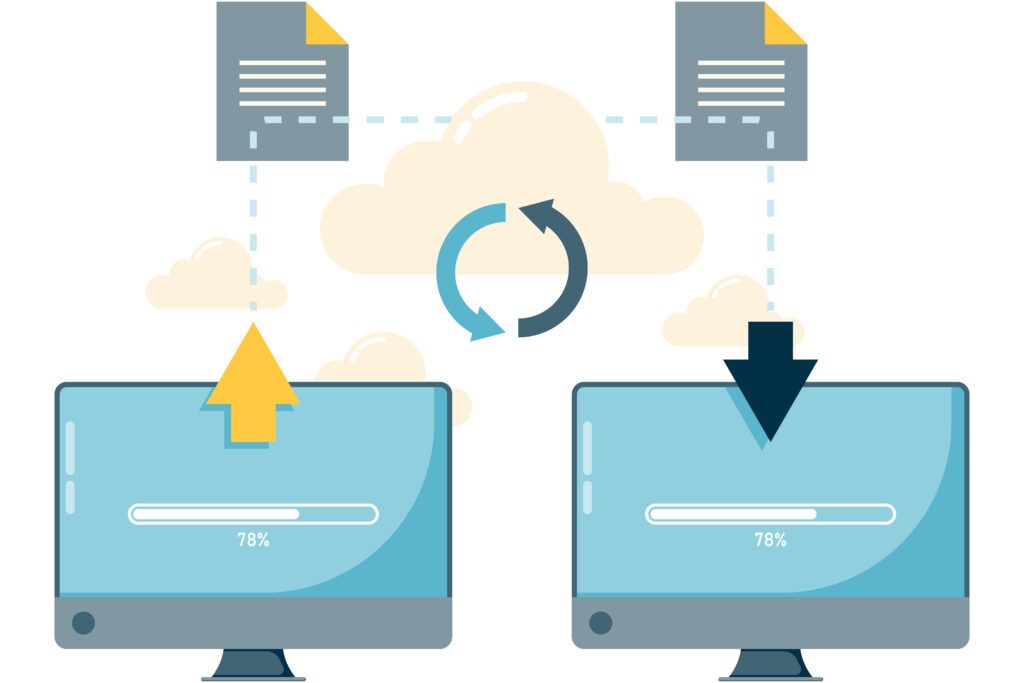
International verification used to involve weeks of correspondence. New data sharing agreements now make cross-border KYC faster and far more dependable.
Mutual recognition frameworks let firms rely on verification completed by regulated entities in other countries. The Legal Entity Identifier system gives businesses a single global identifier that simplifies cross-border checks.
APIs now allow direct system-to-system verification. Firms can confirm foreign client information through secure links to overseas databases without exchanging physical documents.
Key developments accelerating cross-border KYC include:
- Global identifiers such as the LEI
- Direct API based verification between jurisdictions
- Regional initiatives that harmonise verification standards
Projects like the EU Single Digital Gateway are creating shared rules that reduce repeat checks for firms working across multiple countries. They also build trust mechanisms that regulators can use internationally.
Data privacy rules still create challenges. Firms must navigate GDPR, UK regulations, and varying global standards at the same time. Success depends on understanding both the legal requirements and the technical systems that enable compliant data transfer.
Experience the Future
Figsflow has already incorporated all these KYC trends into its software, even before 2026. Don’t just take our word for it. Try it for free and see for yourself.
Additional Resources
- Cost Savings of Automating AML & KYC: Automate AML & KYC and Save Big!
- Complete KYC in Minutes: Complete KYC in Minutes! | Complete Guide For Accountants | FigsFlow
- 7 Actionable Tips to Master KYC: Master KYC Like a Pro: 7 Tips Every Accountant Should Use
- HMRC KYC Guidance: ‘Know your customer‘ guidance, accessible version – GOV.UK
- 2025 Guide to AML & ID Verification: 2025 Anti-Money Laundering ID Check Guide for Accountants in the UK – FigsFlow
Conclusion
KYC in 2026 is transforming how firms verify clients and manage risk. AI and biometrics make checks faster and more accurate, while continuous monitoring replaces outdated periodic reviews. Decentralised identity puts clients in control without compromising security.
Crypto and digital assets demand new due diligence frameworks, and risk-based analytics allow firms to focus on what matters most. Cross-border verification is becoming seamless through technology and international cooperation.
Firms that embrace these trends benefit from faster onboarding and lower compliance costs. Those that resist risk are falling behind as regulatory pressure grows. The real question is not whether to adapt, but how quickly your firm can implement these leading KYC practices.
Stay Ahead in 2026
Frequently Asked Questions
KYC (Know Your Customer) refers to the process firms use to verify client identities and assess risk before establishing business relationships. It’s becoming more important because fraud techniques are more sophisticated, regulators demand higher standards, and technology makes comprehensive verification both possible and expected.
AI automates document verification, cross-references multiple databases simultaneously, and identifies suspicious patterns humans might miss. It reduces verification time from days to minutes while improving accuracy. This allows compliance teams to focus on complex cases requiring judgment rather than routine checks.
Decentralised identity solutions use blockchain technology to let individuals control verified credentials in digital wallets. UK regulators are developing frameworks to recognise these systems, though comprehensive standards are still emerging. Early adoption requires careful attention to evolving regulatory guidance.
All regulated firms must meet KYC requirements regardless of size. While small practices may not need enterprise-level systems, they should adopt risk-based approaches and leverage affordable technology solutions. Regulators expect reasonable measures appropriate to your firm’s size and client risk profile.
Costs vary dramatically based on firm size and chosen solutions. Cloud-based platforms start around £100-£300 monthly for small practices, while enterprise systems for larger firms can cost thousands monthly. Many providers offer scalable pricing that grows with your firm, making advanced KYC trends accessible to practices of all sizes.