
Real Client Names, Addresses and Emails No Longer Get Rejected
Address lines, phone numbers and email fields in FigsFlow no longer cut off real client data. See what changed and what it fixes downstream.

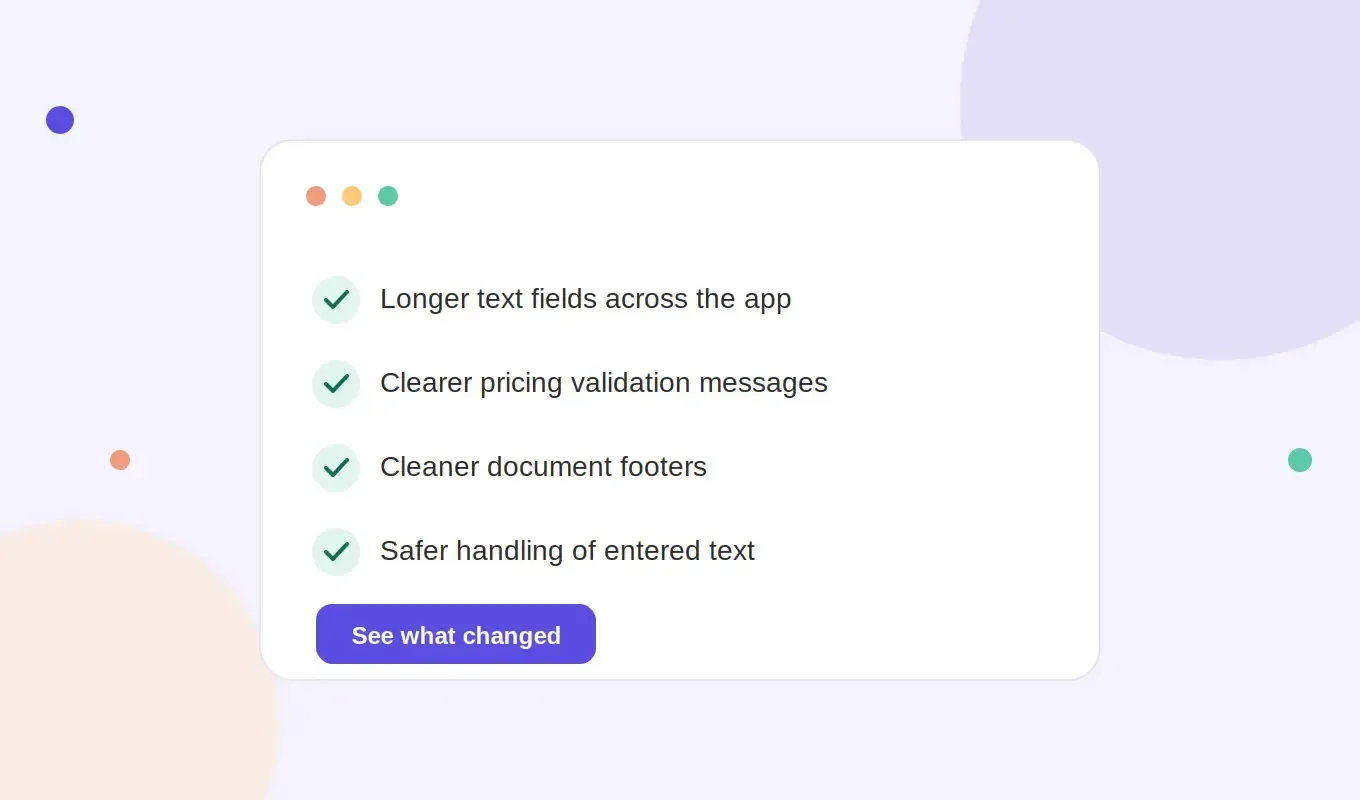
FigsFlow’s address field held a hard limit that a single commercial building address in London routinely ran past. Staff shortened the address, guessed at a version that would fit, or typed the full address into a notes field instead.
Every one of those workarounds meant a Letter of Engagement went out with an address that didn’t match Companies House or the client’s own paperwork.
Now the limit is raised, six others alongside it, and fixes what those limits were quietly breaking behind them. Here’s what changed and what it means for how you work.
Where FigsFlow Was Rejecting Legitimate Client Data
Genuine client details rarely fit into short character allowances. A double-barrelled surname, a formal reminder subject line, an international phone number with a country code prefix, all pushed past what FigsFlow allowed and got refused outright.
But now, we’ve expanded those limits.
| Field | New limit | Note |
|---|---|---|
| Email template subject lines | 250 characters | Placeholders expand when the email is sent |
| Phone numbers | 30 characters | |
| Email addresses | 254 characters | International standard |
| Address lines | 100 characters | |
| Town and region | 50 characters | |
| Surnames | 50 characters | Now matches the first name limit |
| Service, package and contact type names | 100 characters | |
| Tax, tag, discount and role names | 50 characters | |
| Custom placeholder values | 500 characters | These substitute into letter text |
| Cover page titles | 100 characters | |
| Footer company name | 250 characters | Same behaviour whether edited from the template list or while creating a template |
In addition, the tax rate field previously had a 25-character limit. If you entered more than 25 characters, the system saved only part of the entry without warning. The full rate appeared to have been saved, but the shortened version was used when the proposal was generated. The field is now unlimited, so the full entry is saved correctly.
FigsFlow Phone Numbers Now Display Correctly on Generated Documents
Contact numbers on proposal and Letter of Engagement footers and cover pages ran together as one unbroken string. Clients had to work out where the country code ended and the number began. The country code is now separated.

Client Facing Text Fields No Longer Accept Code or Links
Fields whose content appears in a proposal email or a generated document, including template footer, client information, bulk engagement letter details, firm details, testimonials, images and cover page fields, now reject HTML tags and links.
Client, contact and firm details are cleaned of embedded markup before proposal emails, reminder emails and generated documents are produced. Rich text areas keep their intended formatting, since formatting there is deliberate.
Pricing Validation Now Names the Missing Field
A blank required pricing parameter used to return a generic “something went wrong” message, with no indication of what to fix. Building a proposal meant checking every field in turn to find the gap.
The message now names the parameter as titled in the template, for example “Please provide a valid Number of Employees value”. A missing dropdown selection reads “Please select a … option”.
Two Editing Problems Fixed
Document preview stopped displaying in some browsers after a new preview component was introduced. The previous viewer has been restored while a cross browser tested replacement is prepared.
The table formatting toolbar also disappeared once the editor was scrolled, which made a table difficult to edit beyond the first screen. The toolbar now stays in view.
Footer Layout Now Spans the Page Cleanly
Footer content on generated proposals and Letters of Engagement previously wrapped early or pushed cover page content onto a second page. It now spans the page as intended on both document types.
Conclusion
Longer fields, clearer errors and cleaner documents replace what used to be silent limits and vague failures. Every fix here removes a workaround someone on your team had already built to get around the software instead of through it.
Skip these updates and staff keep trimming addresses, guessing at truncated tax rates, and manually respacing phone numbers on every document. Which of these workarounds was quietly costing your team the most time before this release?