
Weekly News & Updates for UK Accountants (28 September - 2 October 2026)
This was a week of figures - figures reaching tens of billions of pounds. But what do those figures represent? Read our article to find out.
 Swikriti ThakuriOct 2, 2026Updated Oct 2, 2026
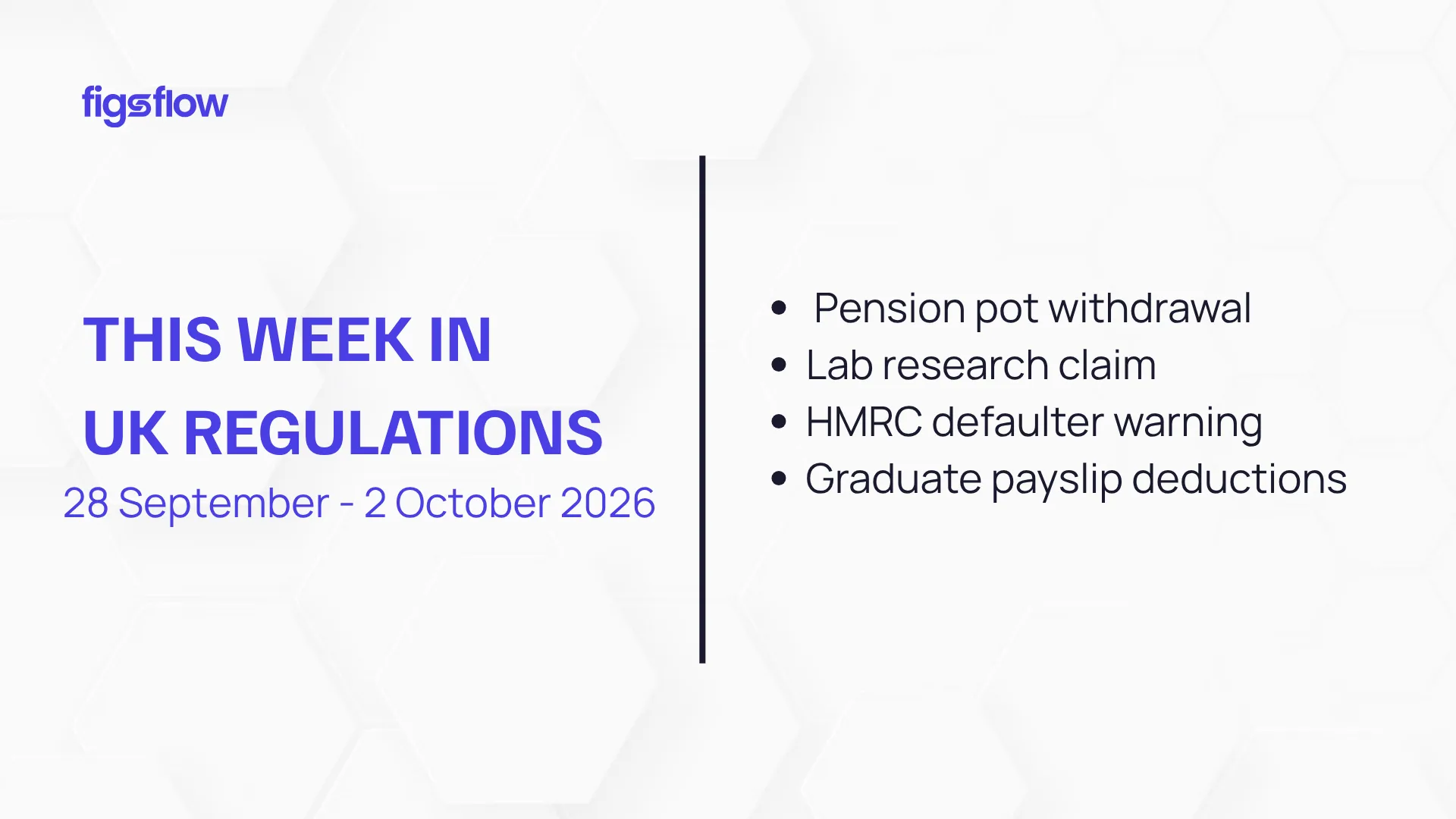
Pension savers withdrew a record £91.2bn in 2025/26, and with unused pots entering the inheritance tax net in April 2027, that is the story to act on first. Close behind it, SME R&D claims have fallen 19% ahead of the 28 October Budget.
The other two are about watching and planning. HMRC's latest defaulters list shows unpaid tax more than doubling in a quarter, and a thinktank projects a 51% marginal rate for many graduates.
Here is the detail.
Record £91.2bn Withdrawn from Pensions Ahead of the 2027 IHT Change
Pension savers took £91.2bn out of their pots in 2025/26, according to FCA figures. That is 21.7% more than the year before and roughly 70% above 2023/24. The driver is plain: unused pension pots fall within the 40% IHT net from April 2027.
Tax-free cash is where the movement is sharpest. Lump sums reached £22bn, up from £18.3bn, and 64.5% of people entering drawdown took one. The exposure clients fear most is death after 75, where beneficiaries can face 40% IHT on the pot and then income tax on withdrawals at up to 45% in England or 48% in Scotland. NFU Mutual's analysis puts the combined burden at up to 91% once a tapered residence nil rate band is added. Cuts to business and agricultural property reliefs are adding to the pressure on owner-managed and farming clients.
The risk is reacting too fast. Withdrawing money purely to escape IHT can crystallise market losses, end tax-sheltered growth and create unplanned income tax bills. Taking tax-free cash before 75, where appropriate, keeps those funds clear of the double hit on death.
Key facts:
- £91.2bn withdrawn in 2025/26, up 21.7%
- £22bn taken as tax-free cash
- Only one in three accessed pensions with regulated advice
That last figure leaves a clear opening for advisers. Contact clients with larger pots, especially those approaching 75, before they withdraw for tax reasons alone.
SME R&D Relief Claims Fall 19% After the AIF Crackdown
SME R&D claims fell 19% in 2024/25, and the Additional Information Form (AIF) is the clearest cause. It has been mandatory since August 2023 and must be filed through the HMRC portal, with detailed technical and financial information, before the corporation tax return.
The effect is sharpest at the intensive end. Claims under Enhanced R&D Intensive Support (ERIS) dropped 36% in a year, to 4,965 approved company claims. Overall claims fell 17% to 40,325, yet total relief still rose 5% to £8.2bn on £51bn of qualifying spend. Value is concentrated: 6% of claims account for 69% of relief, and large companies under RDEC account for 76% of qualifying spend against 24% for SMEs.
Commentators warn that heavy scrutiny is pushing legitimate innovators to abandon claims through compliance fatigue. BDO has asked the Chancellor for a fast-track route for businesses with proven compliance records, ahead of the 28 October Budget.
Key facts:
- £8.2bn total relief, up 5%
- Claims down 17% to 40,325
- ERIS claims down 36% to 4,965
Review each R&D client's claim readiness, including whether the AIF information is assembled before the return is prepared, and watch the Budget for any simplification.
HMRC Defaulters List Hits £93.3m, Including Accountancy Entries
HMRC's latest quarterly list names 196 deliberate defaulters owing £93.3m in tax and penalties. Unpaid tax stands at £56.5m, more than double the £24.5m of the previous quarter, while penalties rose from £15.5m to £36.7m.
The top five account for £38.6m between them. Two are umbrella payroll companies, now wound up or in liquidation, which ties back to the supply chain liability rules that took effect in April 2026. Another is a fee-charging tax repayment agent, where HMRC's liquidator claim and investigations continue.
Two accountancy entries also appear: a firm not registered with a professional institute, and its sole director, listed separately.
Key facts:
- 196 taxpayers named
- £93.3m owed in tax and penalties
- Unpaid tax up from £24.5m to £56.5m quarter on quarter
Check the due diligence behind any umbrella provider your clients use, and make sure your own registration and compliance standing are in order.
Half of Plan 2 Graduates Face a 51% Marginal Tax Rate
The Intergenerational Foundation projects that by the mid-2030s, around half of the 5 million Plan 2 graduates working full time will face a 51% marginal rate. Plan 2 covers those who entered university between 2012 and 2023. On salaries above £50,271, the rate is 40% income tax, 9% student loan repayment and 2% NICs.
The thinktank describes the generational shift as the equivalent of lifting the basic rate from 20% to about 30%. At £30,000, the combined rate is 37%, against 20% for someone above state pension age who pays no employee NICs. This is a projection, not a change in law.
Key facts:
- 51% marginal rate: 40% income tax, 9% loan, 2% NICs
- Effective rate 23% under Plan 5, up from 18% under Plan 1
- £240,000 paid over 25 years under Plan 5, against £167,000 under Plan 1
It is a useful talking point with graduate clients weighing pay rises, bonuses or pension contributions, where the marginal rate shapes the decision.
Also In The News
- Weekly News & Updates for UK Accountants (21-25 September 2026) - Last week's round-up covering the stories that shaped the week for UK practitioners.
- How Tax Firms Manage Multiple Client Workloads - A practical look at keeping several client engagements moving at once.
- Get Clients Document faster - Ways to cut the delay in collecting documents from clients.
- HMRC Agent Registration Guide for Tax Advisers - What tax advisers need to know about registering with HMRC as an agent.
Conclusion
The pattern this week is rising pressure on clients and rising scrutiny from HMRC. Pension holders are reacting to the 2027 IHT change, R&D claimants are struggling under compliance demands, and the defaulters list shows how quickly unpaid tax is climbing. The graduate projection is a reminder of where many clients feel the burden.
For most practices the immediate work is narrow: pension reviews ahead of April 2027, R&D claim readiness before the 28 October Budget, and a check on umbrella providers now. The graduate projection is one to watch.
We publish these updates every week. Follow us to get next week's round-up as soon as it lands.